
Transitions to Post-Secondary Pathways Project
About the Project
This two-year initiative combined research training with hands-on community-based inquiry.
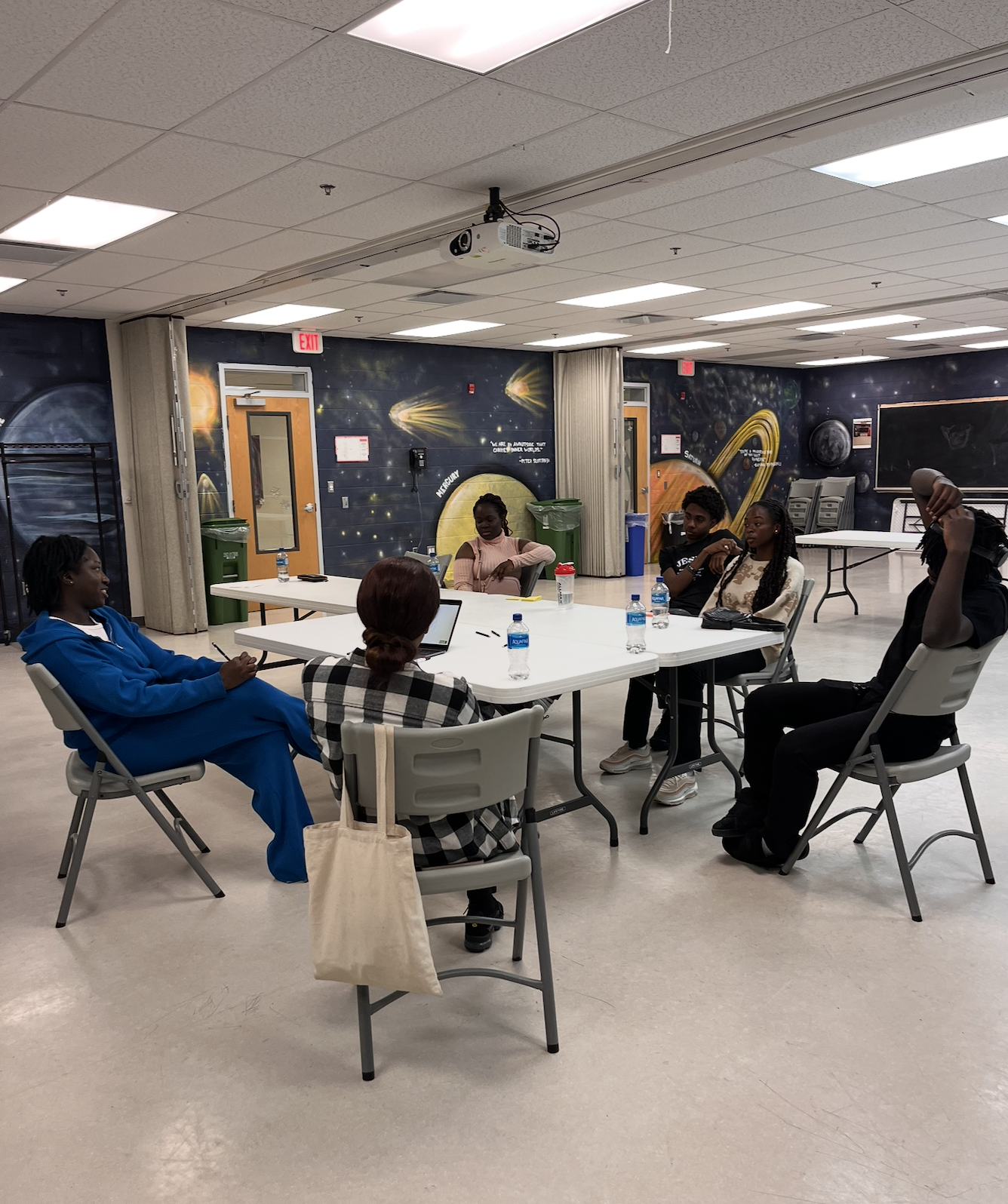
Rise In STEM conducted a community-based research project in collaboration with high school students in Etobicoke to better understand how students prepare for and transition into post-secondary education. This project also focused on building students’ research skills and knowledge by engaging them directly in the design and implementation of the research process.
The full report will be coming soon.
-
Research training for student participants
Literature review and environmental scan
Research design development
Data collection
-
Continued research training
Data analysis and interpretation
Knowledge mobilization activities
What We Explored
This project examines the experiences of young people in Etobicoke as they prepare for life after high school and navigate the transition into post-secondary education.
The research concludes with key recommendations for how schools, community organizations, and partners can better support youth in Etobicoke and similar communities across Canada during this critical transition period.

How students make decisions about college, university, or other training pathways

The barriers that influence those decisions

The supports that help or hinder their transition

Community resources that contribute to skill building and career development
Research Methods
This project used a mixed-methods approach to understand how students prepare for post-secondary pathways.
Following a review of existing literature, the research team conducted:
1
Surveys with high school and post-secondary students
2
Semi-structured interviews exploring lived experiences
-
Academic counselling and guidance experiences
Perceptions of systemic barriers
Family expectations and support systems
Personal experiences navigating post-secondary planning
-
An online survey captured broader student perspectives and was distributed through school networks, community organizations, and social media outreach In total:
22 students completed surveys
13 students participated in interviews
Participants ranged from ages 15 to 21, including both high school and post-secondary students
Key Findings
Across interviews and surveys, four key themes emerged related to students’ experiences preparing for post-secondary pathways:
1
Strong interest in STEM pathways
2
Family, peer, and community support as a critical factor in success
3
Community engagement builds skills and confidence
4
Real-world experiences strengthen career readiness
Barriers and Challenges
Students transitioning into post-secondary education face a range of systemic and personal challenges. Four key areas emerged from the research:
Access to information and financial support
Adjusting to new academic and social environments
Mental health and well-being challenges
The compounded impacts of the pandemic and immigration-related experiences
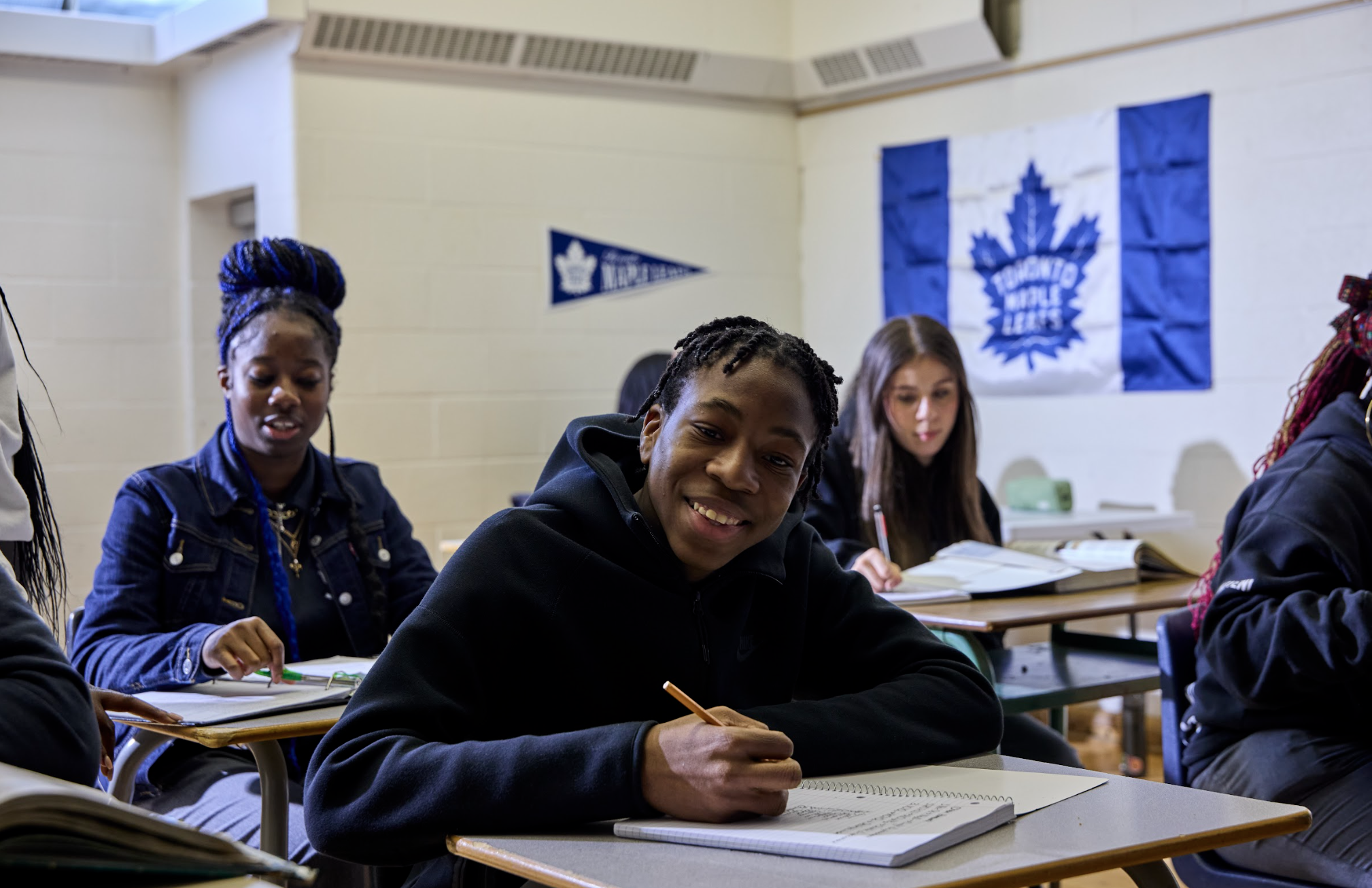
“Feeling like everyone around me has their life figured out can be overwhelming… it seems like everyone is juggling multiple responsibilities effortlessly, while I might be struggling to find my footing.”
Key Recommendations
Based on the findings and community engagement activities, the following recommendations were identified to better support students:
Expand inclusive extracurricular and community-based opportunities
Increase access to community-based programs and supports
Strengthen support systems for newcomer students
Enhance post-secondary preparation resources
Expand mentorship and career readiness opportunities
Impact
This research highlights that while STEM and post-secondary education are highly valued by young people, students from Black, newcomer, and first-generation backgrounds often face barriers that limit access, belonging, and preparedness.
These barriers include financial constraints, limited access to information, academic challenges adjusting to new academic environments, mental health pressures, and immigration-related experiences. As a result, many students navigate post-secondary transitions with less guidance and greater uncertainty than their peers.
At the same time, the research reinforces a clear message from youth and community members: students thrive when they have access to strong mentorship, community-based supports, real-world learning opportunities, and collaborative pathways between schools and community organizations.
Meaningful youth engagement must go beyond access alone. It must foster confidence, belonging, and a sense of possibility within post-secondary education.
From Research to Action
Rise In STEM is actively mobilizing these findings to strengthen support for youth transitioning into post-secondary pathways.
Resource Hub
We developed a digital Resource Hub featuring practical toolkits, checklists, and guides on topics such as applying to post-secondary programs, preparing for first year, connecting with professors and supporters, managing imposter syndrome, and recovering from academic setbacks. More resources coming soon.
Coming Soon!
Transition to Post-Secondary Bootcamp
We are launching a Bootcamp designed to support students through key transition areas, including academic readiness, career exploration, communication skills, financial literacy, personal finance, mentorship, and wellness strategies. This program is designed to help students feel more confident, prepared, and supported as they begin their post-secondary journeys
Academic Tutoring
Rise In STEM will continue expanding this research initiative by engaging high school students as collaborators.

Advocacy &
Systems Change
We will continue advocating for:
Expanded financial supports for newcomer students
Increased entrepreneurship and STEM opportunities
Stronger collaboration between schools and community organizations
More equitable access to post-secondary preparation resources
Help us Rise!
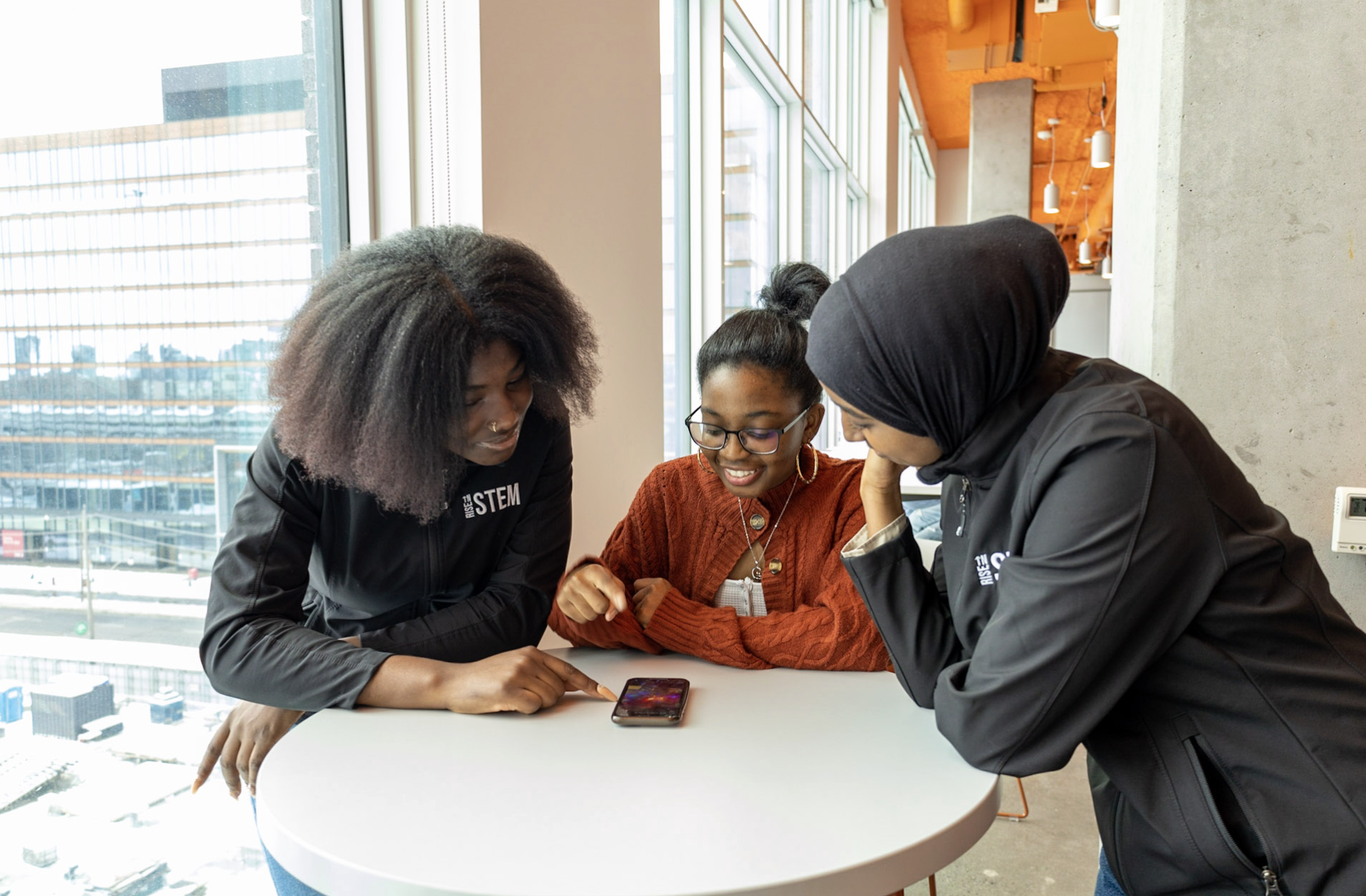
Your support powers mentorship, opportunities, and programs that create real impact. Get involved today!